

‘Lives cut short’: Gaza’s surging miscarriage crisis
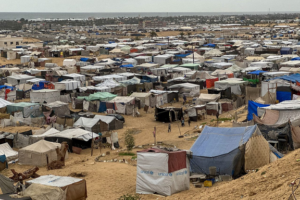
A view of a displacement camp in the Al-Mawasi area adjacent to Khan Younis, southern Gaza Strip, 24 November 2024
Ruwaida Amer reports in +972 on 3 August 2026:
For five years, Rima Salama tried to become pregnant. When she finally conceived, the 27-year-old from Rafah was no longer living in her home but in a tent in Al-Mawasi, west of Khan Younis, separated from her mother and the rest of her family.
**** ****
But the joy was tempered by fear. Living in a tent, Salama had heard other displaced women describe the struggle of carrying pregnancies to term without proper care, adequate nutrition, or even privacy. Israeli strikes repeatedly hit Al-Mawasi and its surroundings, and she feared hers would become a pregnancy lost to the war. “I was very happy,” she said, “but I carried a constant fear inside me, as though I felt it would not last.”
Across Gaza, pregnancy has become increasingly perilous as women endure hunger, repeated displacement, bombardment, and the collapse of much of the healthcare system. Doctors say they are witnessing an alarming rise in miscarriages among women, especially those living in tents without reliable access to nutritious food, clean water, medication, or prenatal care.
The Palestinian Health Ministry recorded nearly 4,000 pregnancy losses during the first six months of 2026, reaching a peak of 920 in April. By comparison, the ministry recorded approximately 1,200 miscarriages in the second half of 2025. Around 74 percent of all pregnancy losses occurred during the first trimester and 27 percent in the second.
The rise in miscarriages has coincided with a broader decline in births: Gaza’s birthrate fell by 3.2 percent during the first half of 2026 compared with the second half of 2025.