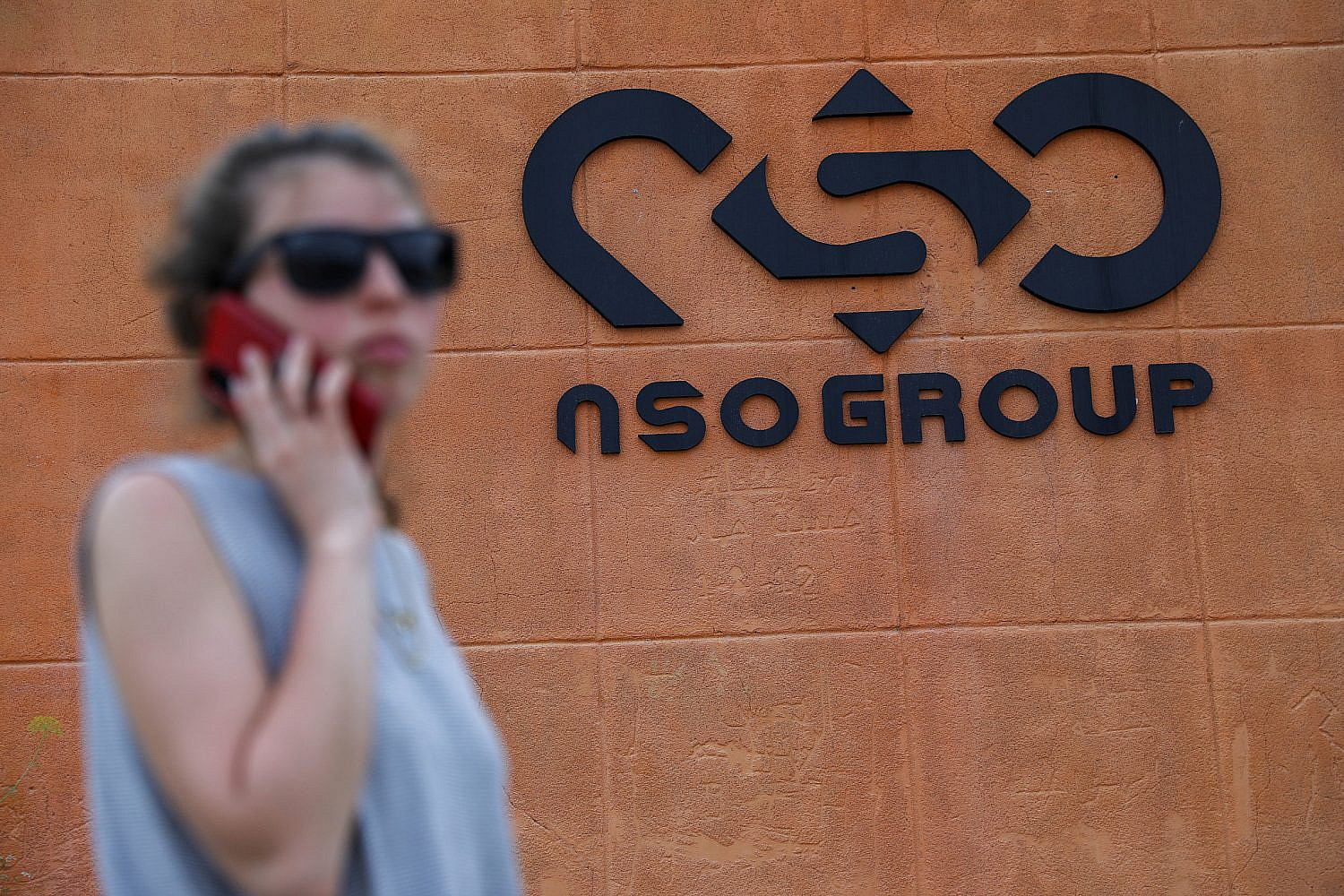


In late May, Haaretz reported that the Israeli Defense Ministry refused to authorize QuaDream, an Israeli cybersecurity firm, to enter into a deal with Morocco, leading to the closure of the company. The paper also reported that the sale of the notorious Pegasus spyware, created by the Israeli cybersecurity firm NSO, to Morocco was similarly aborted. Israel seems to have narrowed the list of countries — mostly Western democracies — to which it is willing to openly export its spy technology, a list from which Morocco is now officially excluded.
This apparent change in the Defense Ministry’s policy was likely brought about by the work of the Pegasus Project, a massive investigation conducted by Amnesty International and a journalist-led non-profit project, Forbidden Stories, along with other journalists and human rights organizations. The project has revealed a long list of human rights activists, journalists, and politicians across the world who have been targeted or served as potential attack targets by NSO’s Pegasus software, including Spain’s prime minister and defense minister, as well as the cellphone of French President Emmanuel Macron. The revelation led the U.S. to sanction NSO, sending Israel’s Defense Ministry scrambling to repair its relationship with its American counterpart.
Though the Defense Ministry is usually reticent to share information on its arms deals with other governments, the media reporting on the deals with Morocco was relatively clear and confident. It seems that the ministry needed these news reports after its previous attempt at PR spin bordered on the absurd, with the Defense Ministry’s announcement that it would require the regimes who purchase spy systems to sign a statement pledging they would only use the spyware to fight terrorism and serious crime. Even if they agreed to do so, however, in many non-democratic countries, opposition to the government and even journalism can be criminalized as such.