

Saving the Middle East: the map begins with Palestinian justice
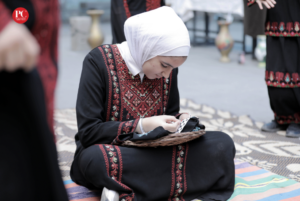
A Palestinian girl wearing a traditional thobe as she sews
Ramzy Baroud writes in The Palestine Chronicle on 12 March 2026:
This is not a conversation about a “political solution” in the narrow, bureaucratic sense. Such solutions require no particular genius: true justice can only occur when the Palestinian people are granted the totality of their rights and the fulfillment of their political aspirations.
Equally true is the reality that no such justice can manifest so long as Israel remains committed to its current Zionist ideology—a framework predicated on racial supremacy and the systematic eradication of the indigenous Palestinian Arab population. Once the shackles of this ideology are broken, the exact political mechanics become secondary; history suggests that the future would lean toward a shared coexistence rather than a continuation of the current segregation along ethnic lines.
To some, discussing a liberated Palestine now may appear slightly—though not entirely—removed from the current war ravaging the region. It is a war that, if not permanently halted, will continue to devastate the peoples of the Middle East, inviting further militarization, runaway defense spending, and cycles of violence. On the contrary, this is the most critical discussion we can have today.
In his seminal documentary, the late Australian journalist and filmmaker John Pilger summed up the centrality of Palestine to the Middle East in these prescient words:
“A historic injustice has been done to the Palestinian people, and until Israel’s illegal and brutal occupation ends, there will be no peace for anyone — Israelis included.”