

I am a doctor in the occupied West Bank. Our hospitals are dying
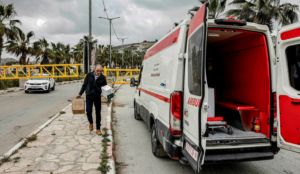
Boxes of medicine being transported from Turmus Ayya to hospitals in Nablus, June 2026
Hazim Faisal Abusondos writes in Middle East Eye on 21 June 2026:
I am a physician working in the emergency room and oncology ward at Dura Hospital in the occupied West Bank. For the past four years, I have witnessed the slow deterioration of our healthcare system. In the last two years, the situation has escalated dramatically – into something catastrophic.
Our hospitals are not simply struggling. They are being pushed beyond their limits, and our pharmacy shelves are bare. Day by day, medicine by medicine, surgery by surgery, the system that thousands of patients depend upon is collapsing before our eyes.
This is not a natural crisis. It is the direct result of the economic collapse in Palestine and the withholding of clearance revenues – Palestinian tax funds collected by Israel. These funds, which constitute over 60 percent of the Palestinian Authority’s revenues, have been frozen for months.
Without them, the Palestinian Ministry of Health cannot pay suppliers. Without payment, medicines, surgical supplies and essential equipment do not reach our hospitals. The consequence is a healthcare system being strangled, slowly and deliberately.
This financial collapse has also meant that doctors and healthcare workers can no longer sustain themselves. Because clearance revenues are withheld, the Palestinian Authority cannot pay salaries. Salaries are delayed or cut entirely.
Many of us can no longer afford the cost of the journey to work. Some cannot provide even the most basic necessities for their children. The healer is being broken alongside the system.
Empty shelves
Our oncology ward should be a place of hope and healing. It has instead become a place of uncertainty and, too often, a place of waiting or rejection. Cancer patients who arrive for scheduled appointments are sent home because the essential medications they need are unavailable.
Many cancer patients have been affected by the medicine shortages. I have seen patients who were responding well to treatment suddenly deteriorate because their chemotherapy sessions were postponed – not because the medicine does not exist in the world, but because it does not reach our pharmacy.