

Gaza’s gas field: The troubled history and uncertain future of Palestine’s only known energy resource
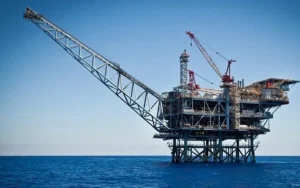
Illustrative photo of a natural gas field in the Mediterranean Sea
Matthew Hoare reports in The New Arab on 9 July 2026:
Could gas be a conduit for peace in Gaza? That was the intimation by Egypt’s oil minister, Karim Badawi, in June when he called for new efforts to finally develop the Gaza Marine field.
The gas – vital to alleviating Palestine’s economic and energy insecurity – has remained in situ since its discovery at the turn of the century amid political deadlock with Israel.
Before the 7 October attacks, an unexpected breakthrough had put Egypt’s state gas company on course to begin developing the field alongside the Palestinian Authority (PA).
But two-and-a-half years later, a devastating war has left most of Gaza in ruins, thrown its political future into doubt, and put any discussions about bringing Gaza Marine online firmly on the back burner.
Small but essential
Located roughly 30 kilometres off the coast of the Gaza Strip, the gas field was discovered in 2000 by British Gas. It is estimated to contain around one trillion cubic feet of gas (tcf).
Its size is comparatively small relative to other gas fields in the Eastern Mediterranean. Cyprus’s Aphrodite field is thought to hold 3.5 tcf of gas while Israel’s Leviathan is roughly 20 times larger.
Despite its size, the field would be a vital resource for the Palestinian Authority, which currently has no means of generating energy for itself and is wholly reliant on expensive imports of diesel and electricity. Even more important to the financially stricken authority are the potential revenues that could come from selling gas. The World Bank in 2017 estimated that Gaza Marine could provide $2.7 billion to the PA over a 25-year period.