

Acute medication shortage risks lives of 4,000 West Bank cancer patients – Health Ministry
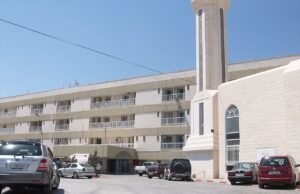
Al Ahli Hospital, Hebron
Amira Hass reports in Haaretz on 7 June 2026:
Life-saving medications for approximately 4,000 cancer patients and thousands of dialysis patients in the West Bank are running out, according to a report released last Wednesday by the Palestinian Health Ministry.
The report states that more than 11,000 surgeries for patients covered by the Palestinian public healthcare system have been postponed since the beginning of the year. The delays have been attributed to shortages of essential medical supplies, reduced working hours by physicians whose salaries have not been fully paid and strikes by medical staff in recent weeks.
According to the ministry, only 19,500 surgeries were performed in hospitals across the West Bank between the start of the year and June 1, compared with 65,000 major and minor procedures carried out throughout 2025.
Residents have also reported various fundraising efforts to help cover the cost of medications, including donation appeals made at the conclusion of Friday prayers in mosques and through local radio stations. The ministry said that 180 of the 520 essential medications it supplies are completely out of stock, including 50 of the 97 drugs used to treat cancer.
The ministry further warned of severe shortages of critical disposable medical supplies, including dialysis filters and surgical sutures, particularly those required for heart surgery and other complex procedures. Cardiac catheterization procedures have also been postponed because of shortages of essential equipment such as stents and catheters. According to the ministry, these shortages have significantly affected the operational capacity of operating rooms.
Further evidence of the deepening crisis in the Palestinian healthcare system emerged last Wednesday when Al-Ahli Hospital, a non-governmental medical center in Hebron, announced that it would stop accepting patients referred by the ministry starting Sunday.
The hospital said it is facing acute shortages of medications, medical supplies and essential equipment. These shortages have resulted from the ministry’s inability to reimburse the hospital for treatments previously provided to referred patients or to repay its mounting debts.
The unprecedented financial crisis facing the ministry, and the Palestinian Authority more broadly, stems directly from the withholding of customs and import tax revenues collected by Israel on the Authority’s behalf. Under existing agreements, these revenues are supposed to be transferred to the Palestinian Authority after deductions for services provided by Israel, including water and electricity, as well as various administrative fees.
Until approximately October 2025, the ministry continued to make monthly payments to private hospitals and healthcare institutions run by non-profit organizations, even when those payments fell short of covering the full cost of treating referred patients. However, even these partial payments ceased after Israel, acting on the instructions of Finance Minister Bezalel Smotrich, withheld the PA’s entire share of import-related revenues beginning in May of that year.
As Smotrich himself explained, this measure was taken in response to the Palestinian Authority’s appeal to the international community to intervene in order to stop the war on Gaza.
In February, non-governmental hospitals across the West Bank agreed to a proposal from the Ministry of Health for an interim arrangement designed to ease their cash-flow crisis, which was triggered by the suspension of regular government payments. The plan was outlined by Yousef Takrouri, director-general of Al-Ahli Hospital in northern Hebron and president of the Palestine Hospitals Union, in comments to the Palestinian news outlet Al-Hadath.
Under the proposal, hospitals would take out loans from local banks equivalent to ten months of payments owed to them by the ministry. The hospitals would cover the interest payments for two years, while the ministry committed to repaying the principal. However, Takrouri said the Palestinian Authority was ultimately unable to reach an agreement with the banks. By the end of 2025, the Palestinian Authority’s debt to Palestinian banks had reached approximately $3.4 billion.
The ministry has continued its efforts to secure international financial assistance. Last week, it called on representatives of the international community to intervene urgently and help fund life-saving medications for a one-year period at an estimated cost of $50 million. According to the ministry, a similar amount is needed to procure other essential medicines and disposable medical supplies.
On Thursday, an emergency meeting was held in Ramallah with representatives of pharmaceutical importers and manufacturers. According to a report by the Ma’an News Agency, participants warned that the ministry’s accumulated debt, estimated at 1.3 billion shekels as of last month, was undermining their ability to continue importing and manufacturing medicines. They cautioned that the situation could lead to drug shortages across the Palestinian market, extending beyond the government healthcare system to affect the wider population.
This article is reproduced in its entirety