

Shakespeare in the displacement camps: The story war could not cancel
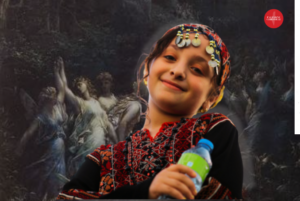
Children in Gaza rehearsed Shakespeare’s A Midsummer Night’s Dream for weeks, only to be displaced once again days before the performance.
Hani al-Salmy writes in The Palestine Chronicle on 21 June 2026:
For two months, displaced children in Gaza prepared a Shakespeare play, only to be uprooted again before opening night. Yet the story survived.
A few months ago, amid the rubble of indistinguishable days and their relentless bitterness, I received a call from my friend, theater director Naim Nasr. His voice carried the tone of someone searching for a lifeline in a flood of sorrow. He was eagerly looking for a play that could be performed for children in one of the crowded displacement camps, where exhausted faces filled every corner.
He surprised me with a question my reality-weary mind did not expect: “Did Shakespeare ever write a play suitable for children?”
I smiled at the question for a long moment—a smile tinged with both wonder and sadness. For an instant, I imagined an impossible encounter between children wrapped in fear beneath worn canvas tents and an English playwright who had lived and died more than four centuries ago. I thought briefly, running through Shakespeare’s tragedies in my mind—from Hamlet to Macbeth—until a warmer thought emerged.
“A Midsummer Night’s Dream,” I replied. It was the closest thing to the spirit of childhood: enchanted forests, mischievous fairies, intertwined dreams, and surprises that invite laughter and delight.
Naim loved the idea immediately. Even through the phone, I could sense his enthusiasm returning. He wasted no time and began the work at once. In the days that followed, Naim became a magnet for deferred joy. He gathered children from the camp’s narrow alleys, from water lines and bread queues. He distributed roles carefully, discovering talents buried beneath the dust of displacement, and daily rehearsals began.
Out of necessity and imagination, a gray piece of fabric became a stage curtain. Worn cardboard boxes that once carried aid supplies were transformed into colorful masks bursting with life. Dry sticks collected for firewood became towering trees in Shakespeare’s enchanted forest.
There was no polished theater stage, no sophisticated lighting equipment, no comfortable seats waiting for an audience. Yet theater, as we have always known, does not require concrete walls to exist. It only needs a story worth telling and children brave enough to dream amid destruction.
I watched this extraordinary scene from a distance and found myself thinking about Shakespeare. Did he ever imagine, while writing in old London, that his words would cross oceans and centuries to arrive in a Palestinian displacement camp? Did he imagine that the fairies he released into England’s green forests would one day find their way into the hearts of children who fall asleep and wake to the sound of drones and bombardment?